The Witch Trials: Fear, Faith, and the Search for Scapegoats


Throughout history, few events capture the destructive power of fear and superstition as vividly as the witch trials. From medieval Europe to colonial America, thousands of people—mostly women—were accused, tortured, and executed under suspicions of witchcraft. These trials reflected deep social anxieties, religious extremism, and the human tendency to find simple explanations for complex problems.

Origins of Witchcraft Beliefs

Belief in witchcraft predates Christianity and can be traced to ancient pagan and folk traditions. Early societies often attributed misfortune—such as illness, crop failure, or sudden death—to the work of supernatural forces. With the rise of Christianity in Europe, these old beliefs blended with the Church’s teachings about the Devil, transforming “witches” into agents of evil rather than mere folk healers or spiritual practitioners.

By the 15th century, witchcraft was no longer seen as harmless superstition but as a grave heresy. In 1486, the publication of Malleus Maleficarum (“The Hammer of Witches”) by Heinrich Kramer fueled hysteria by offering instructions on identifying, interrogating, and prosecuting witches. It became one of the most influential and dangerous books of the early modern period.

The European Witch Hunts

Between the 15th and 18th centuries, Europe experienced a wave of witch hunts that claimed an estimated 40,000 to 60,000 lives. Germany, Switzerland, and France saw some of the most intense persecutions. Accusations often arose during periods of hardship—famine, plague, or war—when communities sought scapegoats for their suffering.

Those accused of witchcraft were often marginalized individuals: elderly widows, midwives, or those who lived outside social norms. Under torture, many confessed to impossible crimes such as flying, shapeshifting, or consorting with demons. These confessions, extracted through brutality, fueled further accusations and mass hysteria.

The Salem Witch Trials

The most famous witch trials in American history took place in Salem, Massachusetts, in 1692. Sparked by the strange behavior of several young girls, the Puritan community became convinced that witchcraft was at work. Over the course of a year, more than 200 people were accused, 30 were convicted, and 19 were executed by hanging. One man, Giles Corey, was pressed to death for refusing to enter a plea.

The Salem trials were deeply influenced by religious fervor, social tension, and fear of the unknown. By the time the hysteria subsided, many participants publicly regretted their roles, and the colony later compensated some of the victims’ families.

Decline and Legacy

By the 18th century, the Enlightenment brought a new emphasis on reason and scientific thinking, leading to the gradual end of witch trials. Courts began to demand concrete evidence, and skepticism toward supernatural accusations grew. Witch trials, once seen as a defense of moral order, came to be viewed as tragic miscarriages of justice.

Today, the witch trials serve as a sobering reminder of how fear and ignorance can erode reason and compassion. They highlight the dangers of mass hysteria, prejudice, and blind faith in authority.

Conclusion

The witch trials of Europe and America were not simply relics of a superstitious past—they were reflections of societal struggles over power, belief, and difference. Remembering these events encourages us to confront modern forms of persecution and to question how easily fear can turn communities against their own. In that sense, the lessons of the witch trials remain hauntingly relevant.

This video below is a song I wrote about the witch burnings!

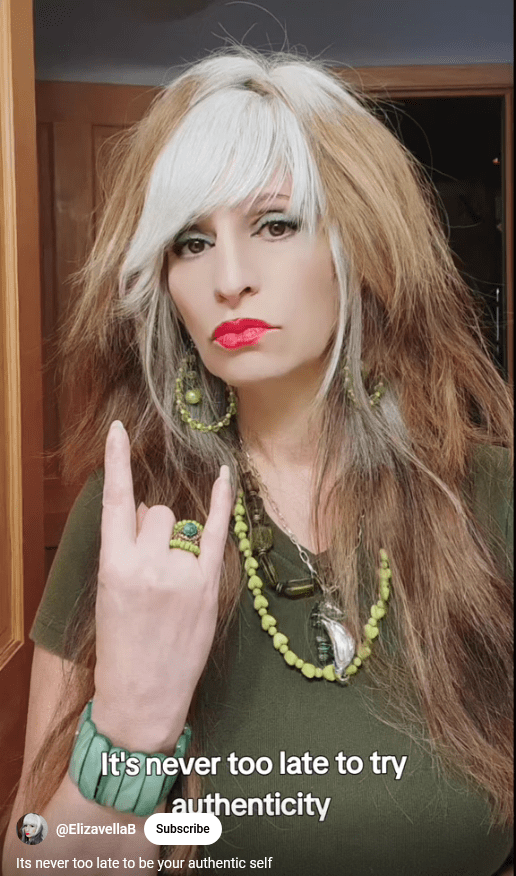
Its Never Too Late To Be Authentic

Authenticity is the courage to embrace and express your true self without fear of judgment or the need for approval. It means aligning your actions, words, and values with who you genuinely are, rather than conforming to societal expectations or external pressures. Being authentic fosters deeper connections with others, as people are naturally drawn to sincerity and vulnerability. It also nurtures self-confidence and inner peace, allowing you to live a life that feels fulfilling and meaningful. When you embrace authenticity, you give yourself permission to grow, make mistakes, and evolve while staying true to your essence. #authenticity #beyourself #rockerchick #rocklooks #bighair #makeup #makeuplooks #beauty #rockfashion #silversisters #silverhair #naturalgrayhair#beyourauthenticself #authenticallyme #ageisjustanumber #naturalsilverhair #naturalwhitehair #beautyover50 #maturewoman #staytruetoyourself #nevertooOld #strongwomen

When Influencers Deceive People to gain followers

Influencers often employ various tactics that can be seen as misleading or deceptive in their quest to gain followers and maintain engagement. One common way influencers may deceive is by creating a highly curated online persona that doesn’t accurately reflect their real lives. They carefully select what aspects of their lives to showcase, often emphasizing wealth, success, and glamour while downplaying less desirable realities. This selective portrayal can create an illusion that their lives are flawless and unattainable, enticing followers to aspire to a lifestyle that may not be genuine or sustainable.

Another way influencers can mislead is through sponsored content and undisclosed partnerships. While sponsored posts are a legitimate way for influencers to earn income, some may not be transparent about these arrangements. They may promote products or services without clearly disclosing that they are being paid to do so, leading followers to believe their endorsement is genuine rather than a paid advertisement. This lack of transparency can erode trust and mislead followers into making purchasing decisions based on false premises.

Furthermore, influencers may manipulate their image through editing and filters to present an unrealistic standard of beauty or perfection. Photoshopped images and carefully crafted captions can create an idealized version of the influencer, making followers feel inadequate or insecure about their own appearances and lives. This perpetuates an unhealthy comparison culture and contributes to the spread of unrealistic beauty standards.

Lastly, some influencers resort to buying followers and engagement to appear more popular than they actually are. This practice involves purchasing fake followers, likes, and comments to inflate their numbers and create the impression of a thriving online presence. While this tactic may initially attract genuine followers who perceive high numbers as a sign of credibility, it ultimately undermines the authenticity and integrity of the influencer’s brand.

In conclusion, while influencers can be powerful figures in shaping trends and influencing consumer behavior, their methods of gaining followers are not always transparent or honest. It’s essential for followers to approach social media content critically and with a discerning eye, recognizing that what they see online may not always reflect reality. Being aware of these tactics can help followers make more informed decisions about who to follow and how much trust to place in the content they consume.

When People Say Youve Changed And Are Mad About it

warrior woman

When people say you’ve changed as if it’s a negative development, it can be a perplexing and sometimes disheartening experience. Change is an inherent part of personal growth and evolution. It signifies that you’re not stagnant, that you’re learning, adapting, and maturing. Often, those who criticize change may be uncomfortable with the idea of you no longer conforming to their expectations or the version of you they’re accustomed to. However, embracing change is a sign of resilience and self-awareness. It means you’re open to new experiences, perspectives, and opportunities for self-improvement. Instead of viewing change as a negative, it’s essential to recognize it as a testament to your capacity for growth and transformation, a journey towards becoming the best version of yourself.

It’s not uncommon for people to become upset or resentful when someone they know undergoes significant change. When others are mad because you’ve changed, it often reflects their discomfort with the unfamiliar or their reluctance to accept the evolving dynamics of your relationship. Change can challenge established roles and expectations, and some individuals may perceive it as a threat or a sign of disconnection. However, it’s essential to remember that personal growth is a natural and healthy part of life. While it might be difficult to navigate these emotions in others, your own growth and self-improvement should never be stifled for the sake of appeasing others. Family, True friends and allies and those who really care about you will support your journey of change and understand that it’s an essential aspect of your ongoing development.

Journey To The Past Poem

In the shadowed realm of time’s embrace, I yearn to journey, to change the pace, To rewrite the chapters of history’s song, Undo the deeds that went so wrong.

I dream of a portal, a rift in the air, A chance to alter what’s not fair, To mend the tears in fate’s design, And in the past, my hope align.

To revisit moments, now cast in stone, To mend the hearts that felt alone, To whisper wisdom to my past self’s ear, And ease the burdens of doubt and fear.

I’d journey back, with lessons learned, To mend the bridges that were burned, To sow the seeds of love and grace, In every heart, in every place.

But time, it dances, a relentless tide, Unyielding, in its endless stride, For change is complex, with threads untold, And consequences, a story unfolds.

Perhaps the past’s scars shape our way, In darkness, we find the light of day, For though I long to rewrite my tale, The past, in its wisdom, might prevail.

So, let us cherish what time has sown, For in its passage, strength has grown, And though I cannot change what’s past, I’ll embrace the present, make it last.

For time is a river, forever flowing, Its currents of change, forever showing, That even though we can’t alter the past, We shape the future, from first to last.

By Elizavella

Dont wait for someone to come save you Save yourself

be your own warrior save yourself

Saving yourself is a fundamental act of self-preservation and personal responsibility. It involves making choices and taking actions that prioritize your physical, emotional, and mental well-being. Whether it’s maintaining a healthy lifestyle, setting boundaries in relationships, or seeking help when faced with challenges, saving yourself requires a deep understanding of your own needs and the courage to advocate for them. It means recognizing that you are your own best advocate and protector, and that no one else can truly save you if you don’t first take the initiative to save yourself. In a world filled with uncertainties and complexities, the act of saving oneself is a powerful testament to the strength and resilience of the human spirit. It’s a reminder that you have the power to shape your own destiny and navigate the challenges that life throws your way. So, embrace the journey of self-preservation, for it is an essential part of living a fulfilling and meaningful life.

Strong Like A Tree Poem

In forests deep, where shadows dance,
Stands a symbol of strength, in nature’s expanse.
A tree, tall and unwavering, it stands,
Teaching lessons of fortitude across lands.

Roots delve deep into the earth’s embrace,
Anchoring resilience, finding their place.
Through storms that rage and winds that howl,
The tree stands firm, unyielding, proud.

Its branches reach for the boundless sky,
A testament to courage, far and high.
Through seasons’ changes, it adapts and grows,
In every challenge, its strength it shows.

From tiny seed to towering form,
The tree teaches us to weather the storm.
In rings that mark the passage of time,
A story of endurance, both subtle and prime.

With leaves that whisper secrets to the breeze,
The tree dances in life’s symphonies.
A shelter for creatures, both big and small,
In its sturdy embrace, they find solace and call.

So let us learn from the tree’s silent grace,
To stand strong in life’s intricate maze.
To bend, but not break, in the face of strife,
And find the resilience to thrive in life.

Like a tree, let’s grow through all we face,
In every challenge, find our own grace.
With roots in our past and dreams unfurled,
We, too, can be strong, like the trees of the world.

(C) Elizavella

Snow Queen Poem

In lands of frost, where silence reigns,
A Snow Queen dwells, her beauty untamed.
Her icy realm a glistening sight,
A symphony of snowflakes in the night.

A crown of frost adorns her brow,
As stars above reflect her vow.
With every step, a trail of snow,
In her presence, a hushed world aglow.

Her touch transforms all that it meets,
Turning tears into delicate sheets.
A heart of ice, yet deep and wise,
Concealing stories beneath cold skies.

In frozen chambers, crystal halls,
She hears the winter’s whispered calls.
A sovereign of both chill and grace,
A portrait of strength in a frozen space.

But beneath the ice, a longing stirs,
A warmth that winter’s veil obscures.
A desire for a touch of spring,
To melt the ice and let hearts sing.

Though distant, hidden in her eyes,
A hint of longing, a secret sigh.
A Snow Queen’s heart, a frozen sea,
Yearning for love’s thawing key.

So let us see beyond the frost,
Into the soul that love has lost.
A Snow Queen’s tale, a heart held tight,
Awaiting the touch of warmth and light.

Gray Hair: The Double Standards Between Men and Women

Title: Gray Hair: The Double Standards Between Men and Women

Introduction:

Gray hair is a natural part of the aging process that affects both men and women. However, when it comes to perceptions and societal expectations, there exist distinct double standards between the genders. While gray hair is often considered a symbol of wisdom and experience for men, women often face different standards and pressures related to aging. This article explores the double standards surrounding gray hair in men and women and sheds light on the need for a more inclusive and accepting approach to aging.

Men and Gray Hair:

In many cultures, men with gray hair are often revered and associated with qualities such as wisdom, maturity, and authority. They are frequently seen as distinguished and even attractive, with silver foxes being a popular term used to describe older men who embrace their gray hair. This societal perception of men with gray hair as “distinguished” reflects a positive image that is widely accepted and celebrated.

Women and Gray Hair:

Contrastingly, women with gray hair often face different societal expectations and pressures. Gray hair is frequently viewed as a sign of aging and is sometimes associated with a loss of attractiveness or desirability. Consequently, women often feel compelled to cover up their gray hair through various means, such as hair dyes or constant salon visits. This emphasis on maintaining a youthful appearance places an unfair burden on women and reinforces the idea that their value lies primarily in their youth and physical appearance.

The Role of Media and Popular Culture:

Media and popular culture play a significant role in perpetuating the double standards surrounding gray hair. Advertisements, movies, and television shows often portray men with gray hair as distinguished and successful, while women are rarely seen embracing their natural gray hair. Instead, female characters are typically depicted as battling the signs of aging or resorting to hair dye to maintain a youthful appearance. These representations reinforce the notion that women should strive to appear young and that gray hair is undesirable.

Societal Expectations and Ageism:

The double standards related to gray hair reflect broader issues of ageism within society. Ageism is the discrimination or prejudice against individuals based on their age, and it disproportionately affects women. Society tends to place a higher value on youth, perpetuating the idea that women should fight the aging process and hide any signs of getting older. This not only places unnecessary pressure on women but also undermines their self-confidence and self-acceptance.

Promoting Inclusivity and Acceptance:

It is crucial to challenge and dismantle these double standards surrounding gray hair. Embracing natural gray hair should be seen as a personal choice rather than a reflection of beauty or desirability. Society needs to shift its focus away from rigid beauty standards and encourage individuals to embrace their authentic selves at any age.

Promoting inclusivity and acceptance means acknowledging that gray hair is a natural and normal part of the aging process for both men and women. It involves celebrating the wisdom, experience, and achievements that come with age, regardless of gender. By challenging societal norms and redefining beauty standards, we can foster a more inclusive and accepting environment for everyone.

Conclusion:

The double standards surrounding gray hair highlight the inherent biases and expectations that exist between men and women. It is time to challenge these norms and shift towards a more inclusive and accepting society that embraces the natural aging process for both genders. By promoting self-acceptance and challenging ageism, we can create a world where gray hair is seen as a beautiful part of life’s journey rather than a source of judgment or pressure. Let us celebrate the diversity and richness that comes with age, allowing individuals to embrace their gray hair without prejudice or societal constraints.